
Invest Smarter with 5StarsStocks.com: Your 5-Star Stock Guide
Why Nickel Deserves Your Attention Now
In recent years, a handful of critical minerals have become central to global industrial growth but few have emerged as quietly powerful as nickel. This comprehensive analysis, powered by insights from 5starsstocks.com nickel, breaks down why nickel may be one of the strongest investment opportunities of the decade. We’ll explore supply trends, demand drivers, market risks, opportunities, and the future outlook with actionable insights for both new and experienced investors.
H2: The Growing Importance of Nickel in the Global Economy
Nickel has traditionally been known for its role in stainless steel production. However, its demand profile has evolved dramatically. As the world transitions toward electrification and low-carbon technologies, nickel’s applications have expanded into new, fast-growing sectors.
H3: Nickel’s Critical Role in Clean Energy
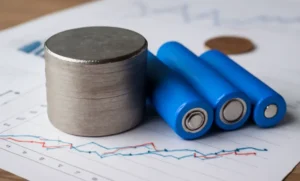
Nickel is essential for the production of high-energy-density lithium-ion batteries, especially those used in electric vehicles. Battery chemistries such as NMC (nickel-manganese-cobalt) and NCA (nickel-cobalt-aluminum) rely heavily on nickel to improve:
- Energy storage capacity
- Battery range
- Charging efficiency
- Cost-effectiveness
Simply put: more nickel means better batteries.
H3: Stainless Steel Still Dominates Demand
Despite new energy applications, stainless steel still accounts for more than 65% of global nickel consumption. This creates a stable, long-term demand base irrespective of short-term EV market volatility. Construction, transportation, and manufacturing sectors rely heavily on nickel alloys for their durability, corrosion resistance, and heat tolerance.
H2: Why Nickel Is Undervalued and Under the Radar
Despite strong fundamentals, nickel’s price has remained relatively volatile and at times suppressed. But this disconnect between fundamentals and market price is exactly why many analysts call nickel a sleeper investment opportunity.
Here are the key reasons:
H3: Market Mispricing Due to Short-Term Oversupply
A recent increase in Indonesian nickel production, particularly in lower-grade nickel pig iron (NPI), created temporary oversupply pressures. However, this oversupply is not sustainable long-term due to:
- High environmental costs
- Heavy reliance on coal
- Geopolitical risks
- Export restrictions
Meanwhile, high-purity battery-grade nickel remains in constrained supply.
H3: Long-Term Supply Deficit Expected
Analysts forecast a significant nickel shortage by 2027–2030, driven by soaring battery demand and insufficient new mining projects. Many planned mines face challenges such as:
- Lengthy permitting processes
- Environmental opposition
- High capital costs
- Water and energy constraints
This looming deficit could cause prices to rise dramatically once supply tightens.
H2: Key Market Drivers Pushing Nickel Into the Spotlight

H3: The Global EV Boom
The electric vehicle market is the single largest catalyst for nickel’s future demand. EV adoption rates continue to surge across North America, Europe, and Asia. Governments are enforcing stricter emissions policies and offering incentives for EV buyers.
By 2030:
- EVs could account for 40% of global car sales
- Nickel demand from batteries is expected to triple
Manufacturers like Tesla, Ford, Volkswagen, BYD, and Rivian are actively seeking long-term nickel supply contracts to secure battery production.
H3: Geopolitical Dynamics and Resource Control
Nickel production is concentrated in a small number of countries. Indonesia, the Philippines, Russia, and New Caledonia dominate output. This concentration creates geopolitical and supply-chain vulnerabilities.Sanctions, export bans, and political instability can quickly impact nickel availability driving price volatility and potential investment opportunities.
H3: Green Energy Infrastructure
Nickel is crucial in high-grade alloys used for:
- Wind turbines
- Solar inverters
- Hydrogen electrolyzers
- Aerospace components
- Industrial machinery
As global energy infrastructure expands, nickel demand outside the EV sector will continue to grow.
H2: Nickel Market Overview Supply, Demand & Projections
Below is a simplified table summarizing current market dynamics and future expectations:
Table: Nickel Market Summary (2025–2030)
| Category | 2025 Status | 2030 Projection | Key Insights |
| Demand | ~3.4 million tons | ~5.8 million tons | EV growth is the main driver |
| Supply | Slight oversupply | Significant deficit | High-purity nickel remains scarce |
| Price Range | Highly volatile | Expected upward trend | Driven by long-term shortages |
| Biggest Demand Sector | Stainless steel | EV batteries | Shift from industrial to energy |
| Top Producing Regions | Indonesia, Philippines | Same, but with stricter regulations | Potential impact on global supply |
| Investment Outlook | Undervalued | High growth potential | Nickel poised for re-rating |
Insights referenced from ongoing industry trends discussed at 5starsstocks.com nickel.
H2: Investment Opportunities in the Nickel Sector
H3: 1. Nickel Mining Stocks
Mining companies are the most direct exposure to nickel price growth. Investors should consider:
- Production volume
- Ore grade quality
- Political risks at mine locations
- Environmental compliance
- Expansion plans
H3: 2. Battery Manufacturers
Battery producers relying on nickel-heavy chemistries often secure upstream supply partnerships. These companies benefit indirectly from nickel availability and innovation in battery technology.
H3: 3. Commodity ETFs and Index Funds
Nickel-focused or broad industrial metals ETFs offer diversified, lower-risk exposure. They are ideal for investors who want exposure without picking individual stocks.
H3: 4. EV and Clean Energy Companies
Automakers and clean energy manufacturers may benefit from nickel-driven technological improvements such as increased EV range and energy efficiency.
H2: Challenges and Risks in the Nickel Market
No commodity is without risks. Investors should understand the following:
H3: Environmental and ESG Issues
Nickel production can be energy-intensive and environmentally damaging if not managed responsibly. ESG pressures could:
- Increase regulatory costs
- Limit production
- Encourage recycling innovations
H3: Technological Shifts in Battery Chemistry
Emerging chemistries like LFP (lithium iron phosphate) use no nickel. Growth in LFP-powered EVs could reduce some nickel demand. However, nickel-rich batteries remain essential for:
- Long-range EVs
- Premium models
- Energy-dense applications
H3: Market Volatility
Nickel prices are historically volatile, often responding sharply to:
- Exchange policy shifts
- Geopolitical tensions
- Production announcements
- Currency fluctuations
Understanding these risks is crucial before investing.
H2: Future Outlook Why Nickel’s Best Years Are Ahead
Despite short-term uncertainties, nickel’s long-term picture remains extremely bullish. With expanding EV adoption, clean energy growth, and limited high-grade resource availability, nickel is positioned to see strong price support through 2030 and beyond.
Major automakers and battery giants are aggressively pursuing nickel supply agreements a strong signal that they anticipate future shortages and higher prices.
As a result, market experts widely view nickel as one of the most promising strategic metals of the decade, a view strongly supported by insights from 5starsstocks.com nickel.
H2: Frequently Asked Questions (FAQ)
1. Why is nickel important for electric vehicles?
Nickel increases battery energy density, which improves range, performance, and cost-efficiency making it essential for modern EVs.
2. Will nickel prices rise in the future?
Most analysts expect upward price momentum due to long-term supply deficits and rising demand from the clean energy and EV sectors.
3. Is nickel more important than lithium?
Both are critical minerals, but nickel plays a unique role in high-performance, energy-dense batteries. In some segments, it is even more vital than lithium.
4. What are the biggest risks in nickel investing?
Key risks include price volatility, geopolitical uncertainty, environmental regulations, and technological shifts toward alternative battery chemistries.
5. Which industries use the most nickel?
Stainless steel manufacturing leads, followed by battery production, aerospace, chemical processing, and renewable energy infrastructure.
6. Can nickel supply keep up with future demand?
Many experts believe supply will struggle to keep up due to limited new mining projects and growing global demand.
7. Is now a good time to invest in nickel?
Given current undervaluation and strong long-term fundamentals, many investors consider this a favorable entry point.
Conclusion: Nickel A Silent Giant Ready to Surge
Nickel has all the makings of a high-potential investment opportunity: rising demand, constrained supply, crucial applications in growing industries, and undervalued market pricing. With EVs, clean energy, aerospace, and industrial manufacturing increasingly dependent on this versatile metal, nickel’s strategic significance will only continue to expand.Investors who recognize this trend early may benefit significantly as the market corrects the current undervaluation. For deeper insights, investment ideas, and ongoing updates, refer to the analysis and resources available through 5starsstocks.com nickel.